There is a feeling that shows up when you put the last box down that most men decide says something bad about them. It does not. And it is not even the important part.
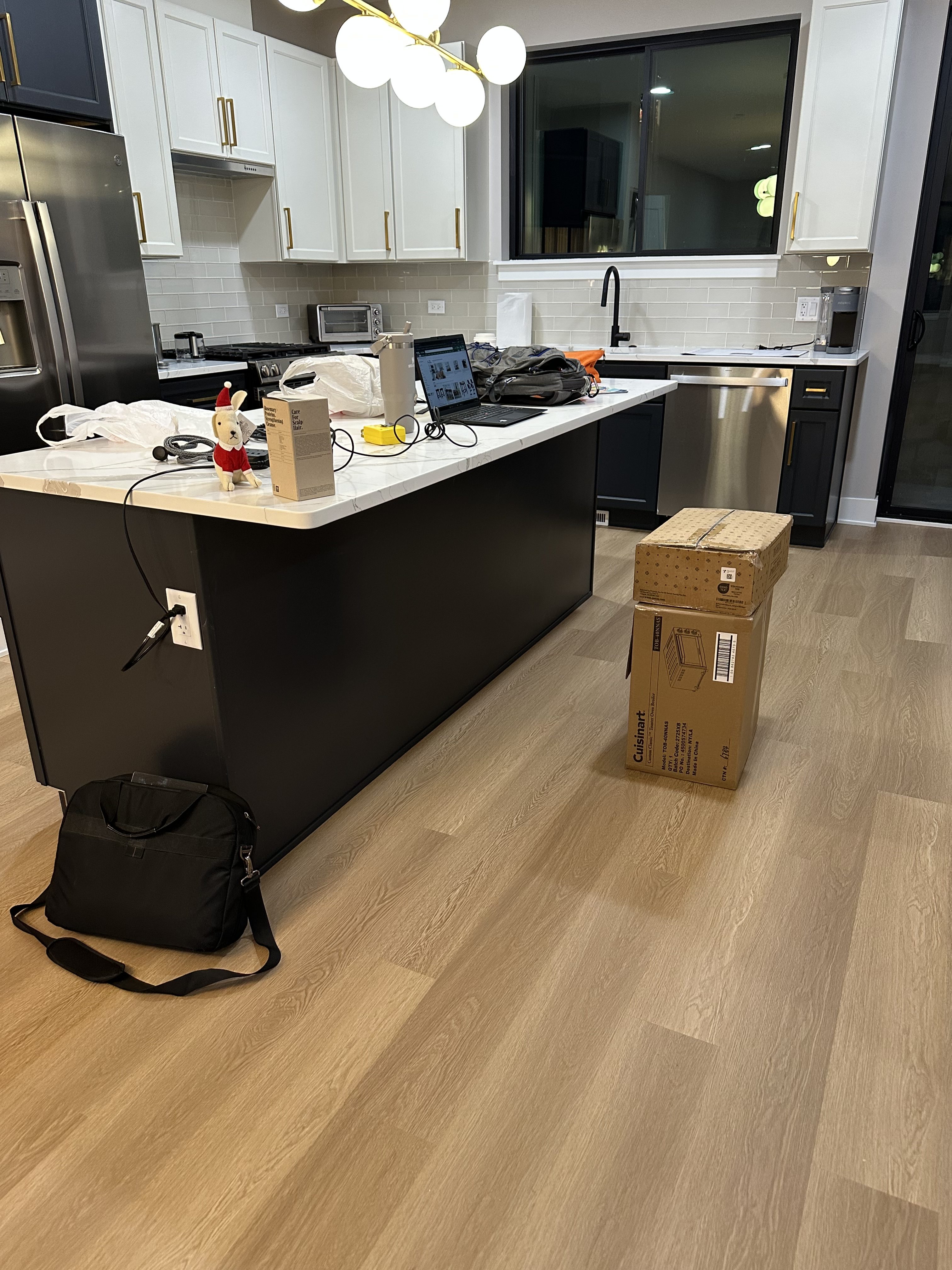
The night I finished moving out during divorce, I stood in the middle of a townhouse with almost nothing in it. A few boxes of new appliances. Bins of clothes. Boxes I would not open for another week. The kind of quiet that has a sound to it.
None of this was a surprise. For seven months before that, the kids had stayed in the house and the adults rotated in and out. Before that we had been separated under the same roof for over a year. I knew the date. I planned the truck. I did the orderly adult version of the whole thing.
It still landed like new information.
Three things arrived, and they arrived in a specific order.
Sadness came first, and I expected it. Relief came second, and I did not expect it at all. Then something quieter than either one, which turned out to be the only part that mattered.
The Part of Moving Out During Divorce Nobody Warns You About
Everyone prepares you for the grief. Nobody prepares you for the relief that shows up right behind it, or for how quickly you decide that feeling it means something is wrong with you.
It does not. Relief is what a body does when a long stretch of holding something finally ends. It is not a verdict on your marriage, your kids, or your character. It is information about how heavy the last eighteen months were, and nothing more.
Why the Relief Is Not a Character Flaw
Here is the trap. A man who decides relief is shameful spends the next several months managing that feeling instead of using the room he is standing in. He performs the sadness he thinks he is supposed to have, which takes energy, and he stays in a place he has not claimed, which takes more.
I gave that maybe a day. Then the third thing showed up, and it was not a feeling at all. It was closer to an assignment.
The room was empty. Nobody else had a vote in what went into it.
A Room Is Not a Home Until Somebody Decides It Is
I want to be careful here, because the easy version of this is a line about how home is a feeling and not a building. That is true and it is also useless, because it lets you off the hook. Atmosphere does not appear because you believe in it. It gets built, deliberately, out of specific objects placed on purpose.
What I understood standing in that room was smaller and more demanding than a nice idea. For eighteen months, almost every decision in my life had been allocated, negotiated, scheduled, or handed to me. This was the first one that was not. And I was standing in it treating it as evidence of what had been taken rather than as the only fully unassigned thing I had left.
Ann Gold Buscho, a psychologist who nested through her own divorce and later wrote a book about it, points out that children moving between two homes can end up feeling that they do not fully belong in either one, and that this specifically affects their sense of security. Read that carefully. It is not the square footage. It is not the school district. It is belonging, and belonging is something you either construct on purpose or leave to chance.
What Went In First
Not furniture.
The first things I brought in were their things. Pictures already on the wall before they walked in the first time. The snacks they reach for without asking. Music playing when the door opened. The stuff that carries no meaning to a visitor and carries everything to a kid. None of it was expensive and none of it was impressive, which is the whole point, because what your kids actually register has almost nothing to do with what you spent.
The walls and the rooms looked different. I could not do anything about that. What I could do was make sure that within about four seconds of walking in, the atmosphere was recognizable. Same feeling, new address.
That is not decorating. That is the same job I had been doing in the old house, being done in a new one, and it was the first proof I had that the job travelled with me.
The Emptiness Was the Assignment
If you are standing in a place like that right now, the temptation is to read the emptiness as the final score. It is not the score. It is the first blank page you have been handed in a very long time.
You do not wait until a place feels like home to start acting like you live there. You act like you live there, and that is the thing that makes it home.
The house was never the home. But the home was never an accident either. Somebody built it, on purpose, one deliberate object at a time. In the old place that was two people. In the new place it is one.
That is the job.
If you want a simple place to start, I built a free Week One Reset. Seven mornings, one decision each, for exactly the days that try to run you. Get the free Week One Reset.
#IllCarryIt